
Busting the top myths about gambling misconceptions
Understanding Gambling Addiction
One of the most prevalent myths about gambling is that only certain people become addicted. In reality, anyone can develop a gambling problem, regardless of their background or personality traits. Gambling addiction is a complex issue influenced by various factors, including genetics, mental health, and environmental conditions. This misconception often leads to stigma, making it difficult for individuals struggling with gambling addiction to seek help. For those looking for a fun diversion, visiting top online pokies nz may be an enjoyable option.

Furthermore, the idea that gambling addiction is merely a lack of self-control is misleading. Many individuals who develop gambling problems possess strong willpower in other areas of their lives. Understanding that gambling addiction is a medical condition can help promote empathy and awareness, ultimately leading to better support for those affected.
The Role of Luck in Gambling
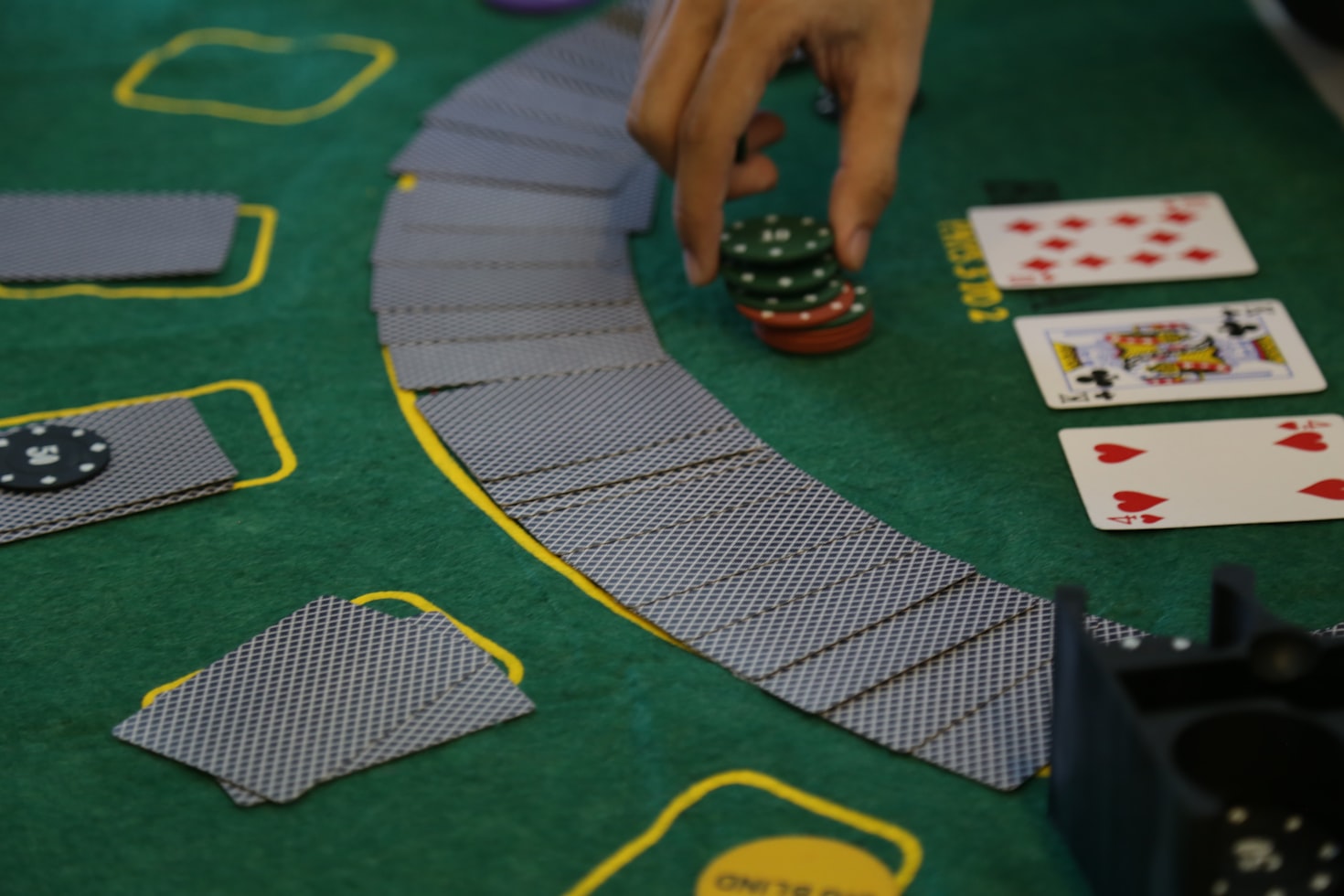
Another common myth is that luck is the sole determinant of success in gambling. While luck plays a role, especially in games of chance, skill and strategy are essential components in many forms of gambling. For example, poker is a game that requires both mathematical understanding and psychological insight into opponents’ behaviors. By dismissing skill, individuals might overlook the importance of practice and informed decision-making.
Moreover, believing that luck can be controlled or influenced by rituals can lead to misguided behaviors. This myth can cause players to engage in superstitious practices, which ultimately do not affect the outcomes. Understanding the balance between luck and skill can help players approach gambling more responsibly and enjoyably.
Gambling is Always a Loss
Many people think that gambling is inherently a losing endeavor. While it’s true that the odds are often stacked against players, this perspective overlooks the enjoyment and entertainment that gambling can provide. Many individuals gamble as a form of recreation, and for them, the experience itself can hold more value than the potential winnings.
Additionally, there are strategies and techniques that players can employ to minimize losses and maximize their enjoyment. Educating oneself about the games and setting limits can foster a healthier relationship with gambling, transforming it from a purely negative experience to a more balanced one.
The Impact of Gambling on Relationships
Another common misconception is that gambling only affects the gambler. In reality, gambling can have significant repercussions on relationships with family and friends. As gambling problems escalate, they can lead to financial strain, emotional distress, and a breakdown of trust among loved ones. This myth can prevent open conversations about gambling habits and their impacts.
By recognizing that gambling affects not only the individual but also their social circles, it becomes crucial to approach the subject with transparency. Encouraging dialogue can help those affected by gambling-related issues find support and solutions together, ultimately strengthening relationships rather than harming them.
Your Guide to Responsible Gambling
Our website offers a wealth of resources for individuals seeking information about gambling, with a focus on responsible practices. Whether you are a novice or an experienced player, we provide comprehensive reviews and expert ratings of reputable online casinos, helping you make informed decisions.
By highlighting enticing bonuses, safe deposit methods, and fair terms, we ensure a seamless gaming experience tailored to your needs. With a commitment to responsible gambling, our platform aims to empower users with knowledge and insights, ultimately enhancing your enjoyment of online gambling.
Comments